Tennessee is known as the most biologically diverse inland state in the country. Part of what makes it so diverse is...
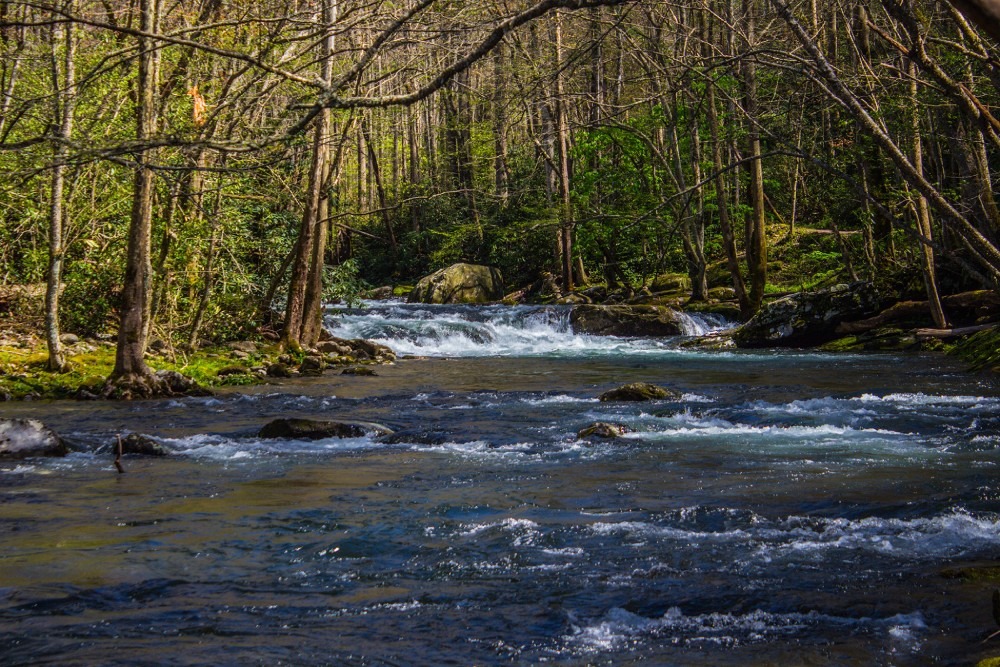
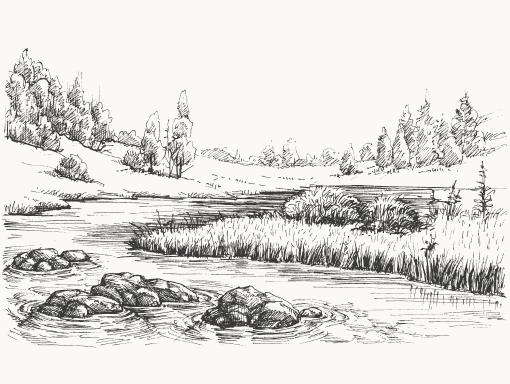
Types of Rivers in Tennessee
read more

Tennessee is known as the most biologically diverse inland state in the country. Part of what makes it so diverse is...
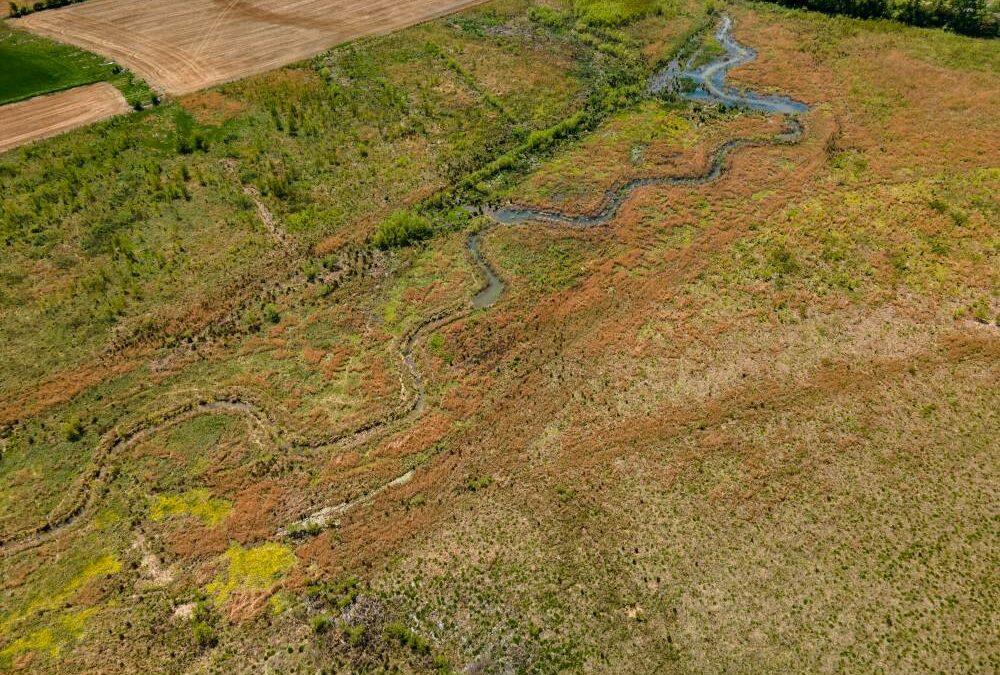
In Sumner County, a collaborative restoration project has transformed 50 acres of less productive farmland into a healthy, functioning stream and wetland ecosystem which includes 4,400 feet of stream in the West Fork Drakes Creek watershed.
More than 50% of the Tennessee landscape is forested—but not all forests are the same. Keep reading to learn about some common (and uncommon) forest types and where you can find them in Tennessee.
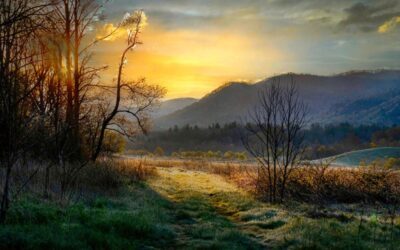
When you donate to Tennessee Wildlife Federation, you become a catalyst for change through our programs that focus on the perpetual improvement of conservation, wildlife habitat, recreation, and more all across our beautiful state.

Tennessee Wildlife Federation’s Habitat Conservation team will soon be starting a new stream restoration project near Knoxville.
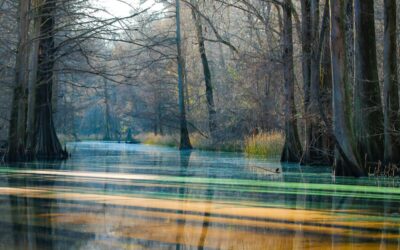
From songbirds in the trees to blooming native wildflowers to flowing rivers teeming with wildlife, Tennessee is incredibly diverse—but it wasn’t always that way.
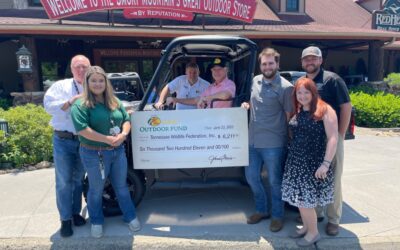
The Bass Pro Shops store in Kodak, TN, recently presented Tennessee Wildlife Federation with a check for $6,211 from the Bass Pro Shops and Cabela’s Outdoor Fund.
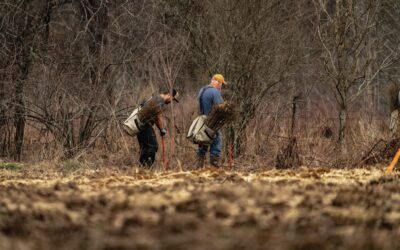
As of June 2023, the Federation has enhanced and protected more than 15,000 acres of land across the state and planted more than 500,000 trees.
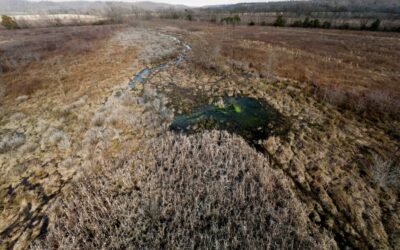
Tennessee Wildlife Federation completed its 12th wetland restoration project in March on 50 acres in the floodplain of the Buffalo River, bringing the total wetlands restored to more than 1,000 acres.
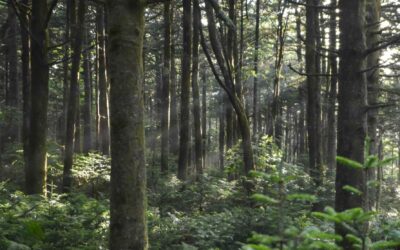
Tennessee Wildlife Federation has received a significant multi-year grant to restore forest and grassland habitats in Tennessee.
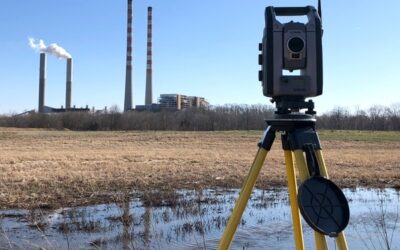
Restoration is key to ensuring this ecologically and economically significant habitat is not lost.
Help lead Tennessee's wildlife and habitat conservation movement by making your voice heard.